


Tenant Protector Plan® Coverage for Landlords
The Tenant Protector Plan® provides landlords with added protection against tenant-caused losses, without the hassle of tracking down proof of renters insurance. Beyond convenience, TPP can also help minimize the frequency of claims and support a cleaner loss history, both of which can contribute to maintaining more favorable insurance terms over time.
The Tenant Protector Plan® can be purchased as a standalone policy or as an add-on to your property and liability coverage. Please note, for Tenant Liability coverage to apply, the location must have an underlying property insurance policy, either through NREIG or another insurer. Submit your property information using our online request form to receive a custom proposal. An NREIG associate will contact you to review your insurance options and help you select the best coverage for your business.
Start a proposal request to get the Tenant Protector Plan® today!
What does the Tenant Protector Plan® cover?
The Tenant Protector Plan® is available in two options: TPP, the full coverage plan that includes Tenant Liability, Sewer & Drain Backup, Contents, and Skip Rent; and TPPx, which provides Tenant Liability coverage only.
TPPx |
TPP |
|
|---|---|---|
Tenant LiabilityLiability coverage for tenant-negligent property losses
|
||
Property CoverageSewer & Drain Backup coverage for damage to the property caused by a clogged sewer line, failed sump pump, or backed-up drain that forces water into the home.
|
||
Contents CoverageCoverage to replace belongings owned by the renter that are damaged in a property loss caused by their own negligence.
|
||
Skip RentUp to $1,000 reimbursement to cover the last month’s rent if a tenant skips out mid-lease without warning. Please note: a lease must have been active for the previous 3 months to be considered for coverage.
|
*Only covers water damage to the property, does not cover damage to service lines (which can be purchased on our Service Lines policy)
**Damage does not need to be tenant-induced
Why do investors choose the Tenant Protector Plan®?
 In the event of tenant-caused negligent losses, your property carrier will cover the cost of repairs, but without TPP or TPPx, the loss will become part of your claim history and may contribute to higher premiums in the future. The Tenant Protector Plan® can help reduce the long-term impact of tenant-caused losses. Through the TPP and TPPx Tenant Liability coverage, the property carrier may recover some or all of the amount paid out by pursuing reimbursement from the negligent party–a process known as subrogation. This helps protect your loss history.
What if my tenants have renters insurance?
Both TPP and TPPx alleviate the need to track and verify renters insurance while protecting you, the investor, against tenant-caused losses. While it’s ideal for tenants to maintain a renters insurance policy, lapses in coverage can leave you responsible for damages caused by tenant negligence. The Tenant Protector Plan® ensures you have coverage when you need it most. In the event of a covered loss, TPP will work in excess of the tenant’s liability limit. Learn more about how these two policies can work together here.
Can I choose which locations carry this coverage?
Yes. It is not required to carry TPP or TPPx on all occupied locations in your portfolio.
How much does the Tenant Protector Plan® cost?
Cost for the Tenant Protector Plan® will depend on the number of units insured and the limit of tenant liability chosen. Typically, TPP ranges from $10-$28 per month (plus taxes and fees). TPPx starts as low as $6 per unit per month (plus taxes and fees). Some investors choose to pass this cost on to their tenants in their lease agreement since they also benefit from this coverage.
Is the Tenant Protector Plan® available on short-term rentals?
Short-term rentals are eligible for TPP but are not eligible for TPPx. Due to the increased risk associated with frequently changing tenants, the cost for TPP is typically higher than for long-term rental properties. Please note: a lease must have been active for the previous 3 months to be considered for coverage.
Can I purchase the Tenant Protector Plan® in place of Property Insurance for tenant-negligent fire coverage?
No. In the event of a covered loss, the underlying property insurance is the primary coverage that pays to repair the damage. The Tenant Protector Plan® allows the property carrier to recover some or all of what they paid out if the damage was caused by tenant negligence, helping stabilize your loss history and protect you from future rate increases due to claims out of your control.
Add property and liability coverage
If you don’t already insure your rental properties with National Real Estate Insurance Group, we offer one of the most comprehensive insurance solutions for investment properties. Our products can accommodate almost any type of investment properties.
Manage your Tenant Protector Plan® with ease
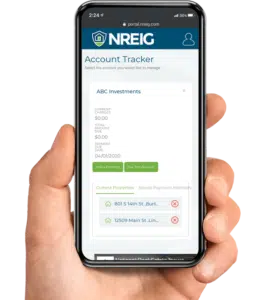
When insuring your properties with NREIG, you can make coverage changes and pay for coverage as-you-go. Our clients can choose to manage their account online 24/7 or work with their Client Service Advisor.
Want to learn more about the Tenant Protector Plan ®?
To learn more about the Tenant Protector Plan, read one of our articles or go to the Resource Center to learn more about different insurance topics.

A Landlord’s Guide to Off-Base Military Rentals: Insurance Considerations for PCS Orders
Summary Military servicemembers and their families can be excellent long-term tenants, but their unique lifestyle presents challenges that may not be as common [...]

Understanding Insurance Needs for BRRRR Investing
Summary The BRRRR method—Buy, Rehab, Rent, Refinance, Repeat—requires insurance that evolves with each phase. Risk-appropriate coverage and an investor-focused insurance approach [...]

New Year, Smarter Rentals: Safety, Leases, and Landlord Processes to Review Now
Summary January is a good time for landlords to reassess how their rentals are managed. Reviewing tenant communication, lease language, maintenance processes, [...]

NREIG’s Tenant Protector Plan®–A Renters Insurance Alternative for Landlords
Do you require your tenants to carry renters insurance in your lease? Do you enforce it? Your tenants can go [...]
Need to speak to an agent?
Please give us a call at 888.741.8454 to speak to a licensed insurance professional. If you would like to discuss your specific location, please request an insurance proposal and one of our agents will contact you shortly.