

2. Know Local Parking Laws
Understanding local parking laws is essential for maintaining safety and avoiding fines. Research your state and city regulations to identify areas where parking is prohibited or considered unsafe. Your local Department of Transportation is a valuable resource to help clarify parking rules.
To prevent confusion and ensure compliance, include clear parking guidelines in your lease agreement. Specify where tenants and their guests are allowed to park, especially for extended stays. Reinforce these rules with a friendly reminder before busy holiday periods to encourage cooperation and avoid violations.
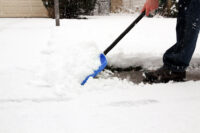
3. Clear Walkways of Snow and Ice
Slip-and-fall incidents are among the most common liability claims at investment properties. To protect yourself, ensure your insurance coverage includes adequate liability limits. National Real Estate Insurance Group (NREIG) typically recommends starting liability limits at investment properties with $1 million per occurrence and $2 million aggregate.
However, insurance is only part of the solution. Preventive maintenance plays a critical role in reducing the likelihood of injuries. Clearly outline in your lease who is responsible for clearing sidewalks, steps, and driveways of snow and ice. If this responsibility falls to your tenant, educate them on the importance of timely snow and ice removal to avoid accidents and potential legal claims.
4. Maintain the Roof
Before winter sets in, inspect your roof for buckling or broken shingles, which can allow water to seep in and freeze, leading to costly damage. To prevent ice dams, ensure your attic is properly insulated to maintain consistent roof temperatures and reduce snow melt and refreeze cycles.
Five Signs of Ice Dams
According to Ice Dam Guys, these are five ways to identify an ice dam:
- Icicles of any shape or size along the edge of your roof and/or gutters
- Water dripping down OR ice forming on the exterior surface of the property
- Ice has developed along the overhangs of the roof OR gutters are filled with ice
- Icicles are forming or water is dripping from the underside of your roof
- Water is penetrating the interior of the property (look at walls, ceilings, and windowsills)
5. Encourage Tenants Use Ladders Safely
Hanging outdoor lights along the roofline is a popular holiday tradition, but it comes with risks. Each year, over 90,000 people are treated in emergency rooms for ladder-related injuries, according to the Consumer Product Safety Commission.
Providing safety tips before the holiday season begins can help prevent accidents and keep your property liability-free.
Basic Ladder Safety
The American Ladder Institute provides ladder safety tips, including:
- Don’t use ladders in high winds.
- Wear clean slip-resistant shoes.
- Make sure the ladder is the right size for the job.
- Place ladder on firm, level ground.
- Don’t place ladders in front of doors that can open toward the ladder.
- Use the three point-of-contact climb.
6. Prevent Winter Heating Fires
According to the National Fire Protection Association, more house fires occur in December, January, and February than any other time of year—many caused by heating appliances.
Winter Fire Safety Tips
- Schedule HVAC and Chimney Inspections: Have heating systems and chimneys professionally inspected and cleaned before winter to prevent fire hazards like dust buildup and creosote.
- Test Smoke and Carbon Monoxide Detectors: Ensure all detectors are working, have fresh batteries, and are placed in key areas like bedrooms and common spaces.
- Discourage Unsafe Heating Practices: Educate tenants on the dangers of using stoves or space heaters improperly and ensure they have access to reliable heat.
- Promote Safe Use of Fireplaces and Candles: Require fireplace inspections and encourage battery-operated candles to reduce open flame risks.
- Prevent Electrical Overloads: Advise tenants to avoid overloading outlets with holiday lights or appliances and use surge protectors when needed.
7. Avoid Kitchen Fires
Cooking is the leading cause of kitchen fires, especially during the busy holiday season, according to the National Fire Protection Association (NFPA). With guests around, distractions are common, so it’s important to remind tenants to follow safe cooking habits.
Cooking Safety Tips
Here are some basic safe cooking tips from the NFPA to share with your tenants:
- Be on alert! If you’re sleepy or have consumed alcohol, don’t use the stove.
- Stay in the kitchen while you’re frying, grilling, boiling, or broiling food.
- If you are baking food, check it regularly and use a timer to remind you that you are cooking.
- Keep anything that can catch fire (oven mitts, utensils, food packaging, towels, etc.) away from the stovetop.
For added protection, consider installing a product like StoveTop FireStop. These small cans mount above the stove and automatically release a fire suppressant when their wick is ignited, helping extinguish stovetop fires quickly. This simple device can reduce the cost of a kitchen fire from tens of thousands of dollars to under one thousand dollars.
8. Schedule Routine Property Inspections
Conducting thorough maintenance checks early helps prevent costly damage by ensuring repairs are completed promptly. Schedule routine inspections throughout the year to assess appliance functionality, check for mold in kitchens and bathrooms, and verify tenant safety and security.
Prevent Pest Intrusions
When conducting these maintenance checks, it’s also a good time to prevent pest intrusions:
- Fill in any holes and cracks around the property that pests and rodents can squeeze through.
- Make sure all windows and doors are fully sealed and close properly.
- Spray to prevent common household pests (spiders, roaches, bed bugs, etc.).
Winter Property Maintenance Checklist
NREIG’s Winter Property Maintenance Checklist covers essential tasks to help you protect your investment, keep tenants safe, and make season prep simple and stress-free.
9. Reduce Holiday Decor Fire Risks
Candles are a common source of house fires during the holidays. The National Fire Protection Association recommends the following holiday decor safety practices:
- Use battery powered instead of flame candles.
- Keep trees and decorations at least three feet away from fireplaces, radiators, and other heat sources.
- Inspect light strings for exposed wires or damage.
- Avoid overloading circuits.
10. Prevent Burst Pipes
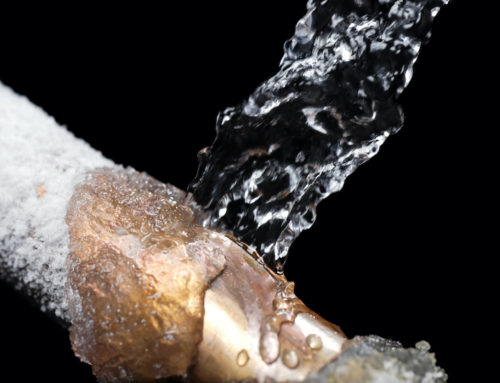
Even in areas where temperatures rarely drop below freezing, your plumbing system still requires regular maintenance. Water heaters should be serviced annually. This includes draining the tank to remove sediment and replacing the anode rod before it fails. These steps help slow internal corrosion and extend the life of the unit.
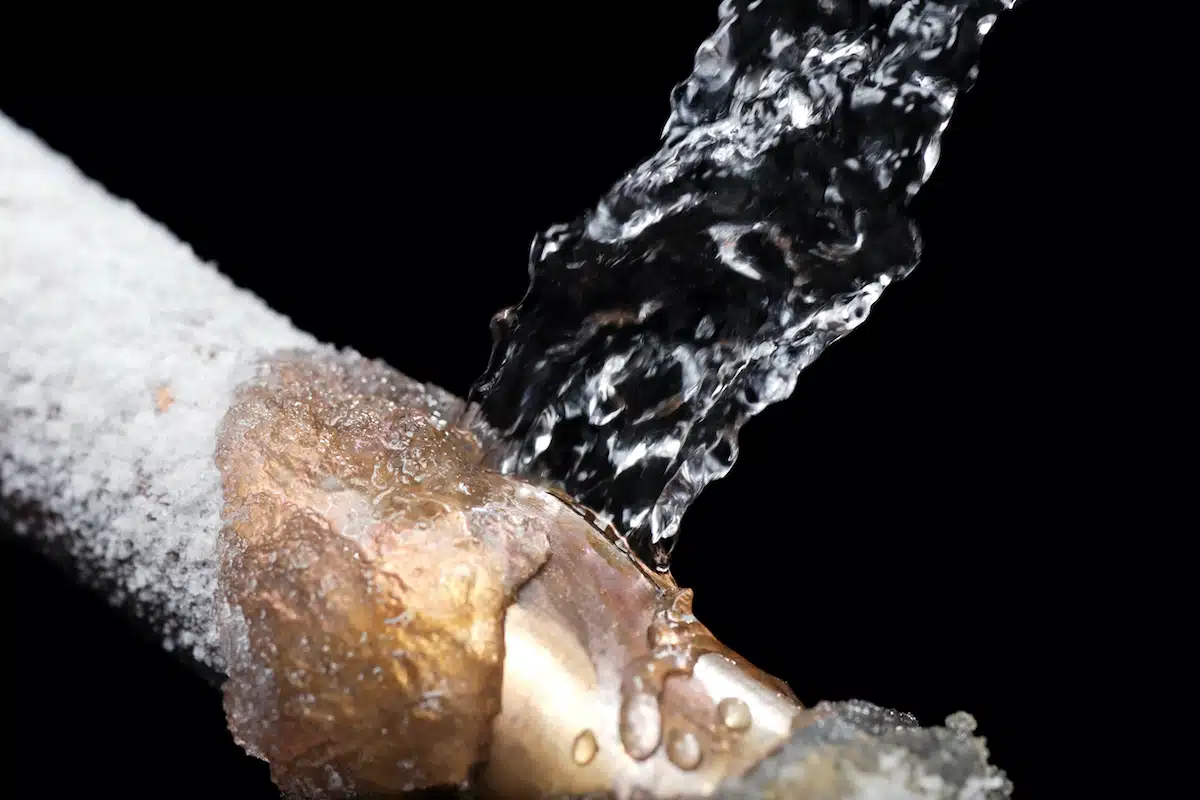
In colder climates, pipes near exterior walls should be insulated to prevent freezing. Educate tenants on proactive measures during cold snaps, such as opening cabinet doors under sinks and keeping faucets on a slow drip to maintain water flow.
For vacant properties, shut off the water at the street and drain the plumbing system to prevent burst pipes and reduce the risk of vandalism targeting copper piping.
Burst pipe damage can be costly, but insurance providers like National Real Estate Insurance Group (NREIG) offer coverage options that help protect your investment. Learn more about burst pipe coverage here.