
Save Energy at Your Rental with These 7 Essential Tips
When owning and operating rental properties, it’s important for investors to balance operating costs while keeping the property comfortable and appealing to tenants. Making a few strategic improvements can help investors reduce unnecessary energy usage, lower expenses, and make their properties more attractive to current and prospective renters.
The best tips to save energy at your rental don’t always require an overhaul of heating/cooling systems or major appliances. Simple upgrades, regular maintenance, and small changes in how a property is used can make a huge difference over time. Keep in mind that the financial benefit of each improvement may depend on who pays the utility bills. While landlords who cover utilities may see more direct savings, investors whose tenants pay utilities can still benefit from energy conservation techniques, particularly when a property is vacant between tenants or undergoing renovations.
Below are seven cost-effective solutions to save energy at your rentals.
1. Conduct an Energy Audit
Before investing in upgrades, determine where your property is using the most energy. An energy audit can help identify inefficient systems, drafts, and other areas where energy is being wasted.
Start by reviewing utility bills and looking for unusual increases or patterns in energy consumption. If possible, it may be helpful to compare usage across seasons and between similar properties. You can also inspect common energy hotspots, including HVAC equipment, windows and doors, lighting, water heaters, and major appliances.
For investors planning a renovation, an energy audit can identify problem areas before work begins and help you prioritize improvements.
2. Install Smart Thermostats
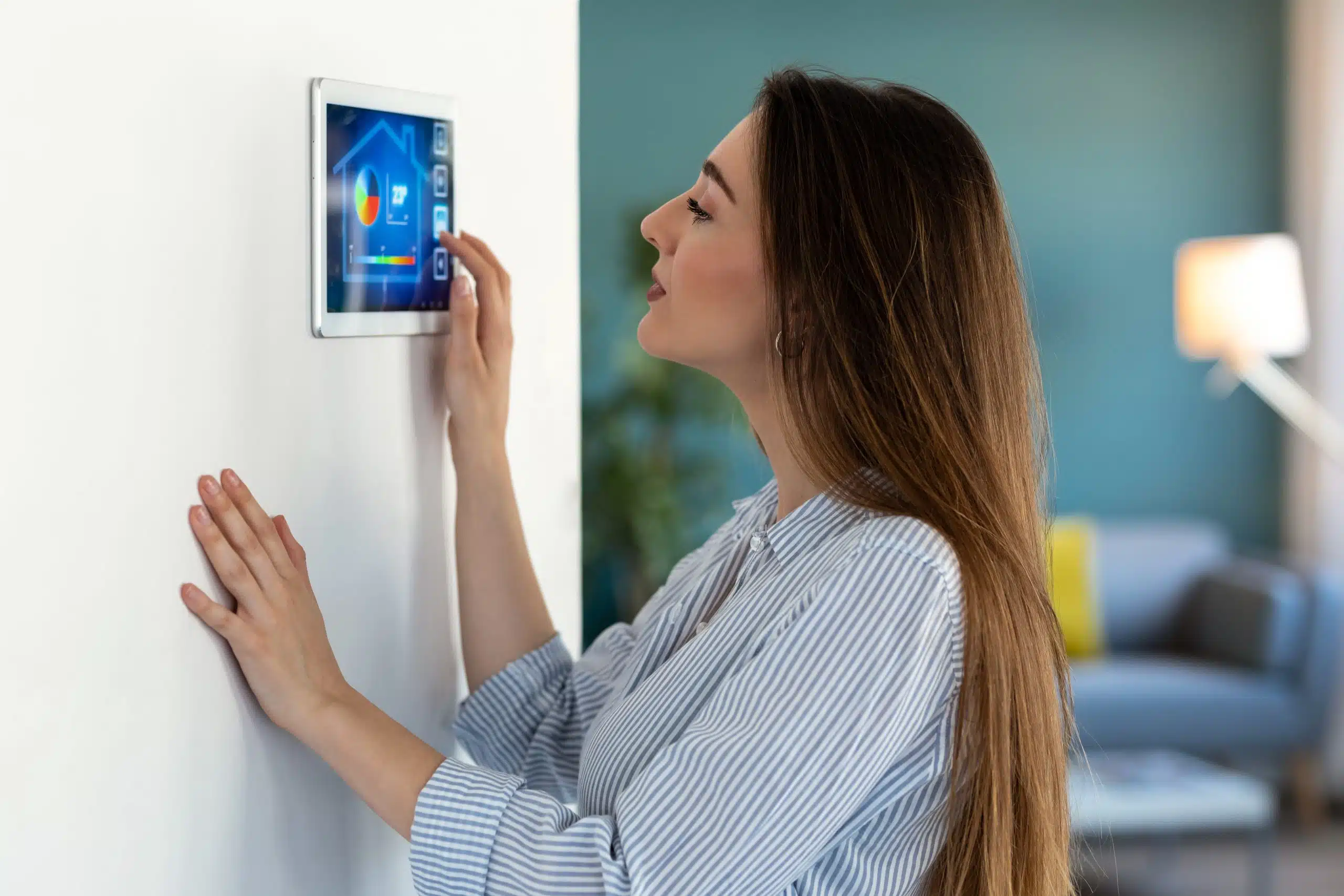
Depending on where your rental is located, heating and cooling can account for a significant portion of a property’s energy use, making smart thermostats a practical upgrade for many rentals. These thermostats can help regulate temperatures more efficiently through scheduling, remote access, and other automated features.
Smart thermostats can be especially useful for investors when a property becomes vacant. Remote access allows you to monitor and adjust temperatures without having to visit the property. Maintaining appropriate temperatures while a property is vacant can help avoid unnecessarily high energy use while also helping protect the property from extreme conditions, such as low temperatures that could contribute to frozen pipes or high temperatures and humidity that could encourage mold growth.
ENERGY STAR offers guidance for selecting certified smart thermostats, including information about compatibility, features, and potential rebates.
3. Upgrade to LED Lighting
Replacing traditional incandescent bulbs with LED lighting is one of the simpler energy-efficiency improvements landlords can make. LEDs generally use less electricity and last longer than traditional bulbs. General Electric notes “An incandescent bulb lit for 25,000 hours will cost approximately $169 to run, compared to the $30 cost to light an LED. While incandescent bulbs are cheaper, the energy costs are far more expensive compared to LEDs.”
Landlords who pay for electricity can see direct reductions in operating costs, while those who pass utility cost to tenants benefit from longer-lasting bulbs, reducing the frequency of maintenance and replacements.
4. Explore Renewable Energy Sources
For some rental properties, renewable energy sources such as solar power may provide an opportunity to reduce reliance on traditional electricity and potentially lower long-term energy costs. Solar panels can be particularly beneficial if a property has suitable roof space, favorable sun exposure, and a long enough ownership horizon to justify the initial investment.
But solar isn’t necessarily the right choice for every rental. The property’s location, roof condition, ownership plans, and utility arrangements can all affect whether an installation makes financial sense. If you are considering installing renewable energy sources like solar panels, it’s important to evaluate local incentives, utility programs, installation costs, and expected long-term savings before making a decision.
5. Weatherproofing Your Rental
Drafts around windows and doors can make it harder for an HVAC system to maintain a comfortable indoor temperature, especially in areas of the United States that experience harsh summers and winters. Weatherproofing can reduce unwanted air exchange and prevent heating and cooling systems from overworking.
Simple measures such as inspecting weatherstripping around doors, checking windows for drafts, caulking gaps, and sealing other visible openings can help HVAC systems work more efficiently.
For older properties and homes where you already plan to renovate, consider whether energy-efficient windows or additional insulation could provide a worthwhile long-term benefit. Attics, exterior walls, basements, and crawl spaces may warrant attention depending on the property’s construction and climate.
6. Invest in Energy-Efficient Appliances
When they need to be replaced, choosing energy-efficient appliances can help reduce ongoing electricity consumption.
ENERGY STAR is a government-backed voluntary program created to promote energy efficiency. Certified products meet established energy-efficiency criteria and are available across categories including refrigerators, dishwashers, clothes washers/dryers, and other appliances. Here you can find all the information you need to choose ENERGY STAR certified products, including rebates, and retailers near you.
When comparing appliances, don’t focus solely on the purchase price. Consider the estimated operating cost, expected lifespan, maintenance needs, and whether the appliance is appropriately sized for the property. A slightly higher upfront cost may make sense when the appliance is expected to operate more efficiently for years and can potentially save you from having to replace it again in the near future.
7. Encourage Sustainable Living Practices
Some of the most affordable tips to save energy at your rental don’t involve purchasing or remediating anything at all. Helping tenants understand how everyday habits affect energy use can support sustainable living while contributing to utility bill reduction.
For example, provide tenants with practical cooling strategies, such as using blinds or curtains to reduce direct sunlight during high temperatures and keeping doors and windows closed while air conditioning is running. Heating tips can include keeping doors and windows closed during cold weather and avoiding blocking HVAC vents with furniture.
Tenants may also be able to reduce energy use by understanding peak energy times, when electricity demand may be higher in their area. Depending on the local utility’s rate structure, shifting certain high-energy activities to off-peak periods could contribute to electricity savings.
Landlords can support these habits by providing clear information at move-in or including basic energy-saving recommendations in tenant communications.
Make Energy Efficiency Part of Your Investment Strategy
Reducing energy use doesn’t have to include making expensive upgrades. Start by identifying where a property is using the most energy, then prioritize cost-effective solutions that make sense for the property’s age, condition, location, and utility arrangements.
Keep in mind that energy efficiency is just one part of maintaining a successful rental property. Regular maintenance, thoughtful improvements, and appropriate insurance coverage all play a role in protecting your investment. By taking a proactive approach to both operating costs and property protection, investors can make informed decisions that support their properties long term.