
Fires are one of the most sudden, destructive, and deadly losses we see on claims. Regular inspections, fire suppression tools, and emergency planning are all crucial components of fire safety. The ability to identify a fire quickly is the key to limiting damage and injuries to those inside or nearby.
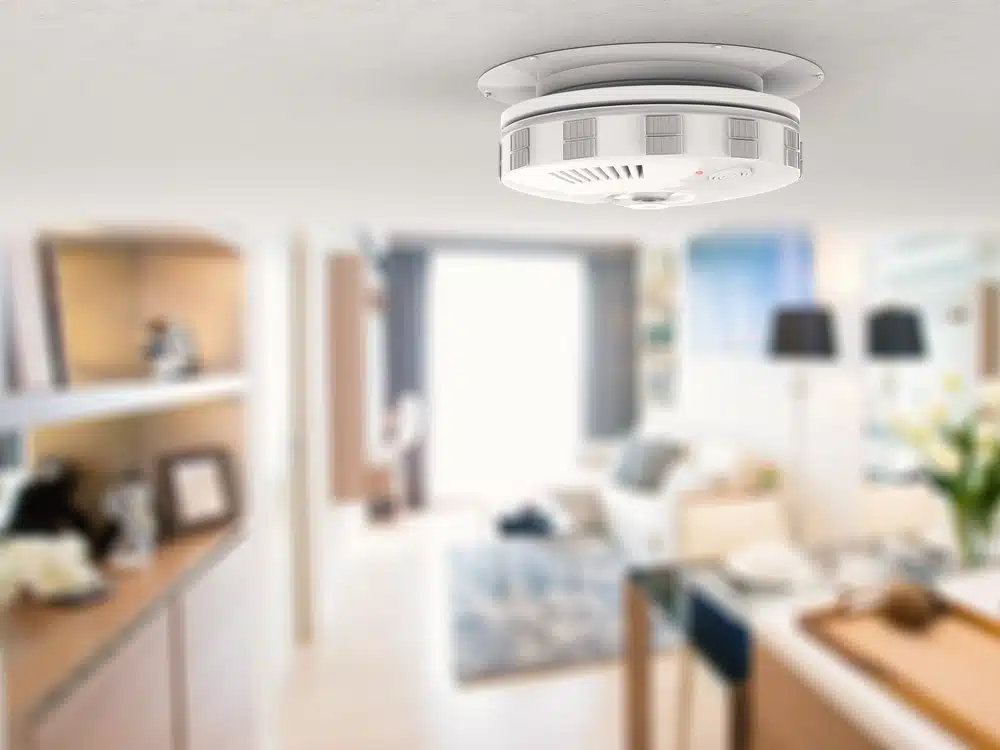
Most, if not all, jurisdictions require the property owner to provide working smoke detectors in their rental homes. It’s essential that you provide unexpired, working smoke alarms and test them regularly. Typically, there is a date printed on the back of smoke alarms, along with a serial number. That date indicates the date of manufacture. The average life expectancy of a smoke alarm is ten years, while a carbon monoxide alarm is about five years. Any alarms over those ages should be replaced immediately. The National Fire Protection Association recommends testing smoke detectors once a month. As this is not always plausible for investors, we recommend testing smoke detectors and changing batteries at least twice a year.
Insurance carriers may diminish or exclude coverage if smoke detectors are not functional or are expired: If after a fire loss, it was discovered that the property did not have a working smoke alarm or the smoke alarm was expired, policy details may allow your insurance carrier to deny coverage for the damages. It is very common for commercial property insurance carriers to require working and unexpired smoke detectors.
Whether a building is occupied, vacant, or under renovation, it is important to have working smoke detectors. Smoke detectors are extremely useful, even in vacant or renovation properties. In many cases, the sound of a smoke alarm has alerted neighbors or those passing by, signaling the need for assistance from the local fire department. Additionally, those working inside of the property are given the best opportunity to evacuate safely after hearing the alarm of a smoke detector.
Installing smoke detectors in areas such as the kitchen or primary hallway on each floor is a good guideline to follow. Review local community, city, county, or state guidelines for more clarity on suggested locations. Because you are not at your properties every day, setting expectations with your tenants and in your lease is important.
To help you stay on top of smoke alarm maintenance, we’ve created a Smoke Detector Maintenance Log. We recommend that a smoke detector log is maintained by you, your property manager, or your tenants at every location. This resource is a must-have for property safety.
Download the Smoke Detector Maintenance Log.