
As a landlord and property owner, ensuring the safety and well-being of your tenants is paramount. We’ve created the Rental Property Hazard Recognition Checklist to help you assess and address potential hazards at your rental property.
Residential Structures
A property’s structural elements are the first line of defense against potential safety hazards. During an inspection, focus on the integrity of the roof, balconies, doors, and windows to ensure the home remains secure and free from risks that could lead to costly damage or tenant injury.
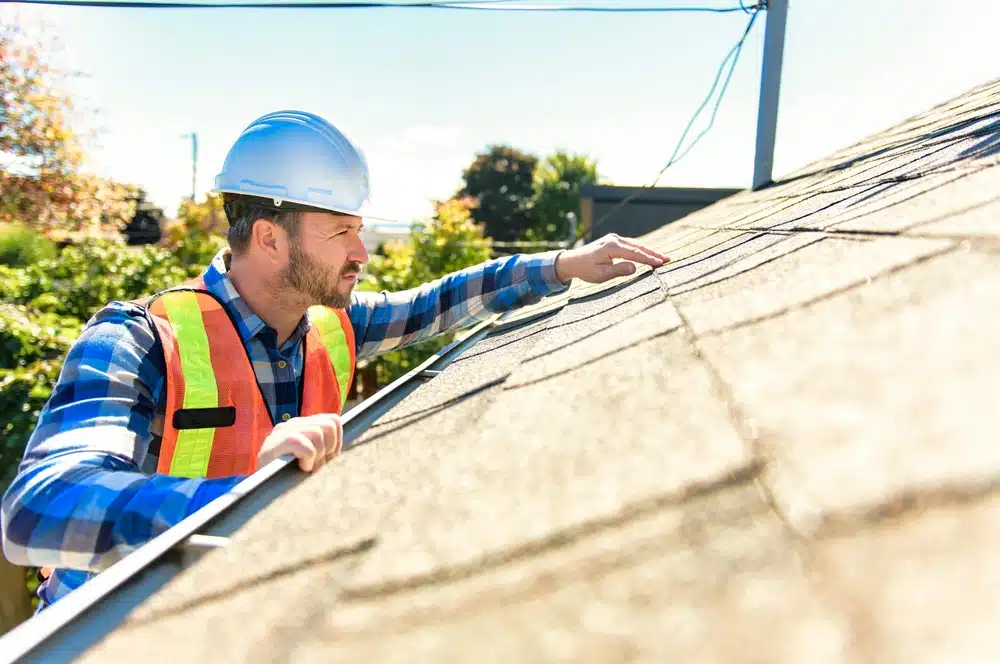
- Roof: Check shingles aren’t broken or cracked and gutters are clean and working.
- Balconies/Decks: Inspect that railing and flooring is in good shape.
- Doors: Ensure locks are in place, operational, and without damage to the frame or door.
- Windows/Glass: Examine windows for broken glass and working locks.
Grounds
The condition of a property’s grounds plays a major role in overall safety and accessibility. During an inspection, it’s important to evaluate walking surfaces, lighting, and emergency equipment to ensure the exterior areas are well‑maintained and free from hazards that could impact tenants or visitors. A quick walkthrough of these outdoor elements helps identify issues early and keeps the property’s surroundings safe and functional.
- Walking Surfaces: Check that walkways are level with no major cracks and stairway railings are in good condition.
- Lighting: Ensure the area is well-lit and all lights are in working order.
- Fire Extinguishers: Verify that fire extinguishers are mounted in plain sight and current on annual service.
Parking Lots/Structures
A well‑maintained parking area supports both safety and smooth traffic flow for tenants and visitors. Regular checks help prevent accidents, reduce liability, and keep the property’s exterior looking professional and well‑kept.
- Lot/Open Area: Inspect that the surface is free of large potholes and cracks, parking spaces are clearly marked, and drainage is working.
Systems
A property’s internal systems play a crucial role in maintaining safety and functionality. During this inspection, review both fire protection components and essential utilities to ensure everything is operating properly and free of hazards. Checking these systems regularly helps prevent emergencies, reduce repair costs, and keep the building compliant with safety standards.
- Fire Systems: Check sprinkler piping is in good condition and smoke detectors are intact with working batteries.
- Utility Systems: Verify electrical boxes are covered, HVAC filters are in good shape, dryer vents are clean, and there is no evidence of leaks.
Download the comprehensive Rental Property Inspection Checklist: Hazard Recognition Tips for Landlords.