
Winter has made its presence known, but there is still time to winterize a vacant home. In part 1, we covered tenant-occupied properties. This time, we focus on vacant homes and active renovation projects. If you’re leaving a property unoccupied this winter, here’s what you need to consider.
Read part 1, for ways to protect tenant-occupied investment properties.
Summary
Winterize your vacant and renovation property to prevent costly damage and liability.
Key Steps:
- Security: Lock doors/windows, set up alarms, use light timers, and maintain the yard.
- Water Damage: Drain water system. If you can’t, make sure the heat is above 55°F and pipes are insulated.
- Fire Damage: Regularly check property for hazards, maintain smoke/CO alarms, and provide fire extinguishers.
- Liability Issues: Repair walkways, promptly remove snow and ice, and remedy any hazards.

Theft & Security
Security is the foundation of any effective winterization plan for vacant properties and renovation projects. A proactive security strategy not only helps prevent theft, but also reduces the risk of water damage, minimizes fire hazards, and protects you from costly liability claims.
Why Security Matters at a Vacant House
- Evicted tenants may return to damage the property.
- Trespassers may start unsafe fires for heat.
- Criminals may use the site for illegal activity.
- Vacant homes can become party spots during school breaks.
- Vandals and arsonists target properties that look abandoned.
- Copper thieves can leave plumbing open, causing catastrophic floods.
Prevent Theft in Vacant Properties
- Lock All Entry Points: Ensure all exterior doors and windows are locked; place wooden dowels in sliding doors. Consider boarding windows for extended vacancies.
- Set Up Alarms & Signage: Use monitored intrusion, smoke, carbon monoxide, and water leak sensors whenever possible. Install “No Trespassing” signs and other security system signage.
- Use Light Timers: Set timers on interior lights to turn on during evening hours, creating the appearance of occupancy.
- Manage Mail and Yard: Regularly drive by the property to remove mail and keep the yard tidy and snow free.
Related Reading: 8 Great Ways to Protect Vacant & Renovation Properties
Water Damage
Water damage is one of the most common and expensive losses we see at NREIG, especially when leaks go undetected in freezing temps. That’s why it’s important to prevent pipes from bursting.
When Do Pipes Burst?
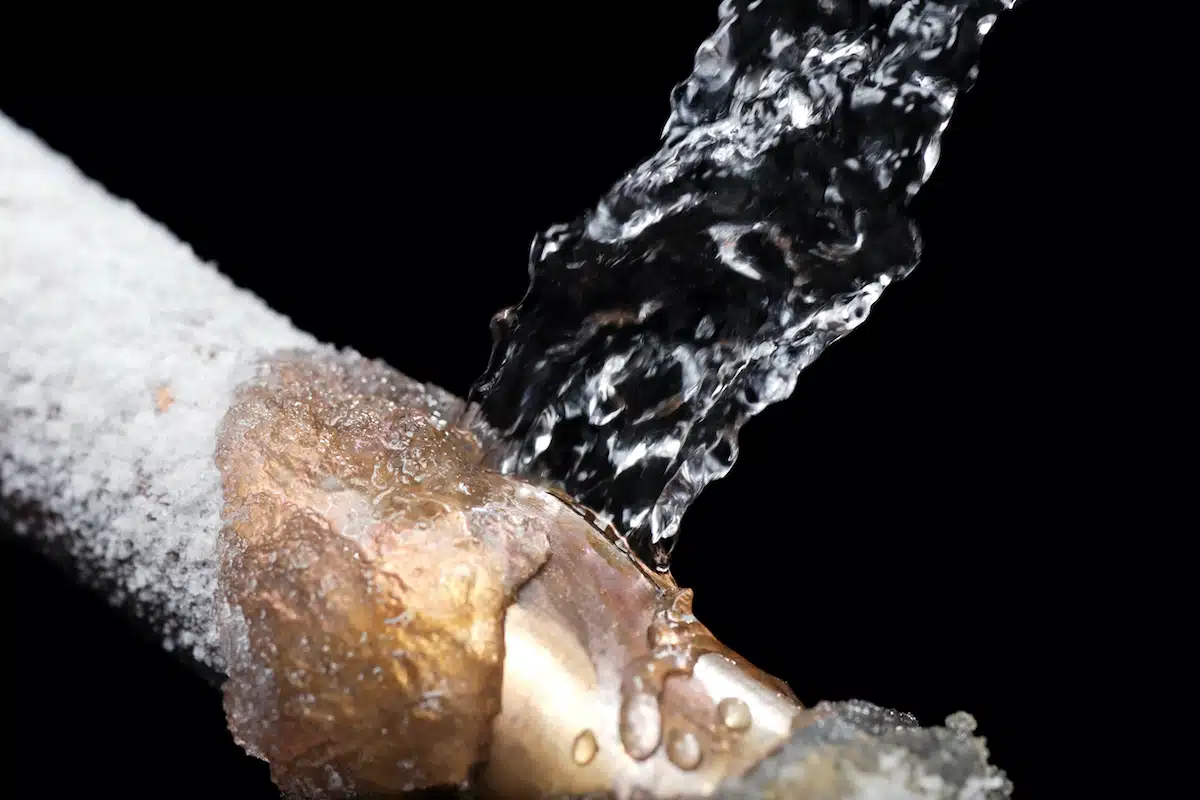
- After a freeze, during the thaw, as water pressure resumes.
- During theft, when copper is stolen and lines are left open.
- During renovation, if crews fail to shut water off or test improperly.
Prevent Burst Pipes in an Empty House
- Shut water off at the street and drain the system (toilets, faucets, hose bibbs).
- At the very least, shut off at the main inside the house so the amount of water damage will be limited to what’s currently in the pipes.
- Insulate exposed lines, especially on exterior walls, garages, and outdoor spigots. Use hose bibb covers.
- Heat is essential: Insulation does not create heat. Service HVAC and heat the whole home adequately.
- If water must be on:
- Keep thermostat ≥55°F (remember wall cavities are colder than room air).
- Open cabinet doors under sinks.
- During cold snaps, slow drip faucets.
- Instruct contractors and real estate agents to not undo winterization or turn water back on.
- Keep intruders out to avoid malicious damage.
Unoccupied Property Water Risk & Mitigation
| Scenario | Risk | Prevention/Mitigation |
|---|---|---|
| Freeze to Thaw | Split pipe leaks when pressure resumes | Shut off at street; drain system; heat ≥55°F; open cabinets; drip during cold snaps |
| Theft (copper) | Open system floods house | Layered security; monitored leak sensors; shut main at street; lock meter box (where permitted) |
| Renovation | Crew leaves water on; line fails | Written protocols: water off at day’s end; supervisor sign‑off; pressure tests; daily site checks |
| Unattended Vacancy | Small leak becomes major damage | Smart leak sensors; scheduled inspections; quick-response vendor list; photo documentation |
Fire Damage
After water damage, fires rank as the next most costly loss for NREIG. They pose severe risks, including serious injuries and loss of life. Focus on prevention, early detection, and ensuring safe evacuation.
Prevent Vacant House Fires
- Regularly check the interior of the property for proper heating, tidiness, and safe storage for flammables.
- Install smoke & CO alarms in all required locations and test monthly.
- Place fire extinguishers in hallways, kitchen, living room, basement, garage and maintenance per manufacturer’s guidelines.
Liability Issues
Winter increases slip/fall and site hazard risks, even for mail carriers or trespassers. Reduce exposure with proactive maintenance.
Winter Liability Checklist for Vacant & Renovation Properties
- Inspect Walkways, Driveways, and Stairs: ensure all surfaces are in good repair (no uneven pavement or loose or missing handrails).
- Snow & Ice Removal: Verify it’s done promptly.
- Tree Maintenance: winter is ideal for structural assessment; remove weak limbs.
- Parking Rules: Specify guest/crew parking in lease/job contracts to avoid fines and hazards.
- Hazards to Remedy:
- Exposed wires or protruding conductors (shock/fire)
- Missing plates (shock)
- Broken stairs/loose/missing handrails (injury)
- Leaky pipes (water damage/mold)
- Broken windows (safety)
- Exposed nails (injury)
- Flickering lights (electrical risk)
- Mold/mildew (health hazard)
Additional Considerations for Renovation Projects
Renovation projects carry unique winter risks that go beyond standard vacancy concerns. Before work begins, set clear safety and security protocols to protect your property, contractors, and timeline.
- Pre‑job safety plan: Require your GC to submit fire prevention, hot work protocol, daily housekeeping, and emergency contacts before mobilization.
- Licensing/insurance: Verify all contractors are properly licensed and insured for their scope.
- Controls & access: Define who can change heat/water/power; set lockout/tagout rules for utilities.
- Daily closeout: Water off, tools unplugged, trash removed, flammables secured, doors/windows locked.
Winterizing a vacant property isn’t just about turning off the water, it’s about creating a comprehensive plan that addresses security, water, fire, and liability risks. By layering protection measures, scheduling regular inspections, and setting clear protocols for contractors, you can safeguard your investment and avoid costly surprises.