
Summary
Log cabins are insurable, but their natural materials, remote locations, and higher exposure to fire, moisture, and maintenance issues make them riskier (and often more expensive) to insure than traditional investment properties. Real estate investors need log cabin insurance that accounts for its unique exposures, seasonal occupancy, and specialized construction needs. NREIG offers CabinArmor, a specialized insurance program designed specifically to protect investment-use log cabins.
Evaluating & Insuring Log Homes
Log cabins can be a popular choice for real estate investors thanks to their charm, rental appeal, and strong performance as vacation homes. However, their construction materials, remote location, and maintenance requirements make them fundamentally different from standard investment homes. Because of this, it is crucial that investors carry an insurance policy designed to match the risks that come with owning a log home used as a rental.
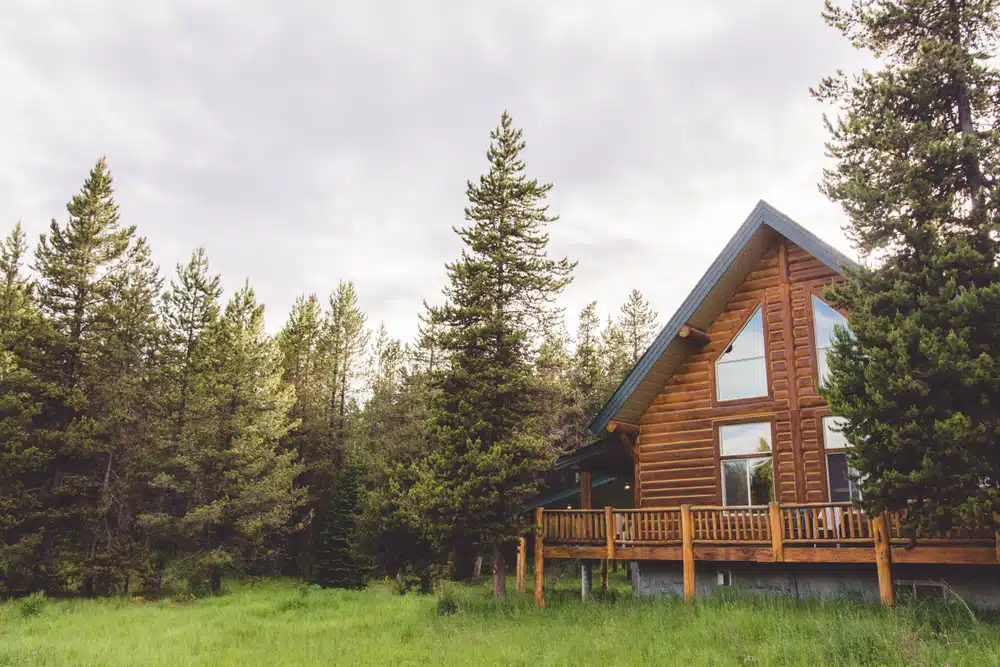
Log cabin insurance is specialized property and liability coverage for dwellings built from horizontal log walls, with corner notching, chinking, and (typically) a gabled roof. Unlike traditional frame homes, log structures face unique exposures related to moisture, fire, wildlife, and the natural settling of timber materials. For investment properties, your coverage must also account for tenant-related risks, seasonal occupancy, and periods of vacancy.
Because of these factors, insurers assess a log cabin’s risk differently than typical dwellings. While yes, log cabins are insurable, they require carriers or programs familiar with the risks of log construction and the realities of operating the property as a rental. This is where their unique risks come into play.
Unique Risks Associated with Log Cabins
Natural Disasters
Many cabins are located near areas known for elevated exposure to natural disasters, like forests, lakes, or mountains. Insurers pay particular attention to properties in these locales as they present risks such as:
- Wildfires (especially in heavily wooded regions)
- Falling trees
- Windstorms and hail
- Named storms
- Winter storms (including ice dams and heavy snow loads)
- Insects and rodents
Because repair and reconstruction often require specialty contractors and materials, loss severity can be higher for log structures than for traditional homes.
Maintenance Challenges
Log homes require consistent upkeep to remain structurally sound. Investors who own seasonal or short-term rental cabins must be especially mindful of ongoing maintenance. Key concerns include:
- Moisture intrusion leading to mold or rot
- Cracking or settling of logs
- Insect damage from wood-infesting pests
- Wearing of stain/sealant
Insurance excludes coverage for typical wear-and-tear, so proper maintenance is essential for preserving insurability and preventing non-covered losses.
Fire Hazards
While solid log walls can perform well under heat, the overall fire risk for cabins is still higher due to:
- Location in wooded or wildfire-prone areas
- Remoteness leading to longer firefighter response times
- Use of wood-burning appliances by tenants or guests
- Accumulation of dry brush surrounding the cabin
Because fire can lead to a total loss, it is a major factor influencing both the availability and the cost of log cabin insurance.
Factors Affecting the Cost of Log Cabin Insurance
Construction Materials
Specialized craftsmanship, natural logs, and custom finishes increase the reconstruction cost of a log home. When damages to the property occur, repairs may require:
- Hard-to-source logs
- Skilled labor with log home-building expertise
- Extended repair timelines
These factors contribute to higher log cabin insurance premiums compared to standard frame homes.
Location and Climate
As discussed previously, cabin location significantly impacts premiums. Insurers consider the following factors when determining rates:
- Rural or remote locations
- Proximity to fire hydrants and stations
- Wildfire scores and wind/hail activity
- Mountainside or lakeside geography
- Severe winter weather patterns
Secondary Residence vs. Primary Residence
Because investment cabins are not owner-occupied, insurers evaluate them differently from primary residences. Occupancy type affects both risk and pricing for many reasons. For one, seasonal homes and short-term rentals may experience damage that goes unnoticed for a longer period of time, and the longer it sits with said damage, the worse it will get. These properties may also sit vacant for extended periods of time, increasing the risk of fire, theft, and water damage.
Making Informed Insurance Choices
Log cabins come with unique risks tied to their construction materials, location, and use as rental properties. Understanding your risk factors and how they influence your coverage options and cost helps protect both your property and income potential.
For log cabins used as investment properties, NREIG offers CabinArmor, a specialized insurance solution designed to meet the specific needs of log homes. Click here to learn more about CabinArmor.
Further Reading:
Insuring Log Cabins with National Real Estate Insurance Group