

While some regions of the United States have already received their first snows and freezes, it’s never too late to start prepping your properties for winter risks. In this two-part series, we’ll look at the most common winter perils and how to mitigate damage. Here, in part 1, we address ways to protect tenant-occupied properties.
Read part 2, for ways to protect vacant properties.
Summary
Winterize your tenant-occupied rental property to prevent costly damage and liability.
Key steps:
- Security: Lock doors/windows, use light timers, and have mail picked up.
- Frozen Pipes: Insulate pipes, check HVAC, remind tenants to open cabinets, drip faucets, and keep heat above 55°F.
- Fire Safety: Maintain smoke/CO alarms, provide extinguishers, install StoveTop FireStop.
- Heating Safety: Service HVAC, change furnace filters, allow only safe space heaters, inspect chimneys.
- Liability: Repair walkways, define snow removal and parking rules, and require tenants to report hazards.
Protect your investment and keep tenants safe this winter.

Theft & Security
The threat of theft is higher with unoccupied properties than occupied ones. However, that doesn’t mean you shouldn’t prepare your tenants. During the holiday season, burglaries are on the rise. Thieves see an opportune chance to break in when people are visiting family out of town. Plus, more gifts and cash are lying around during this time for them to easily steal.
Prevent Holiday Theft in Rental Properties
Protect your tenants and property from burglary during the winter and holiday season. Share these security tips:
- Lock All Entry Points
- Ensure all exterior doors and windows are locked.
- Add extra security by placing a wooden dowel in sliding doors and windows to prevent forced entry.
- Keep Interiors Private
- Close blinds and curtains so burglars cannot see inside or determine if the property is vacant.
- Use Light Timers
- Set timers on interior lights to turn on during evening hours, creating the appearance of occupancy.
- Manage Mail and Yard
- Ask tenants to have a trusted neighbor collect mail and maintain lawn care when they are away.
Water Damage
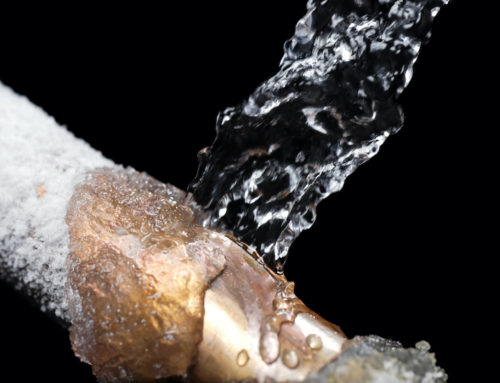
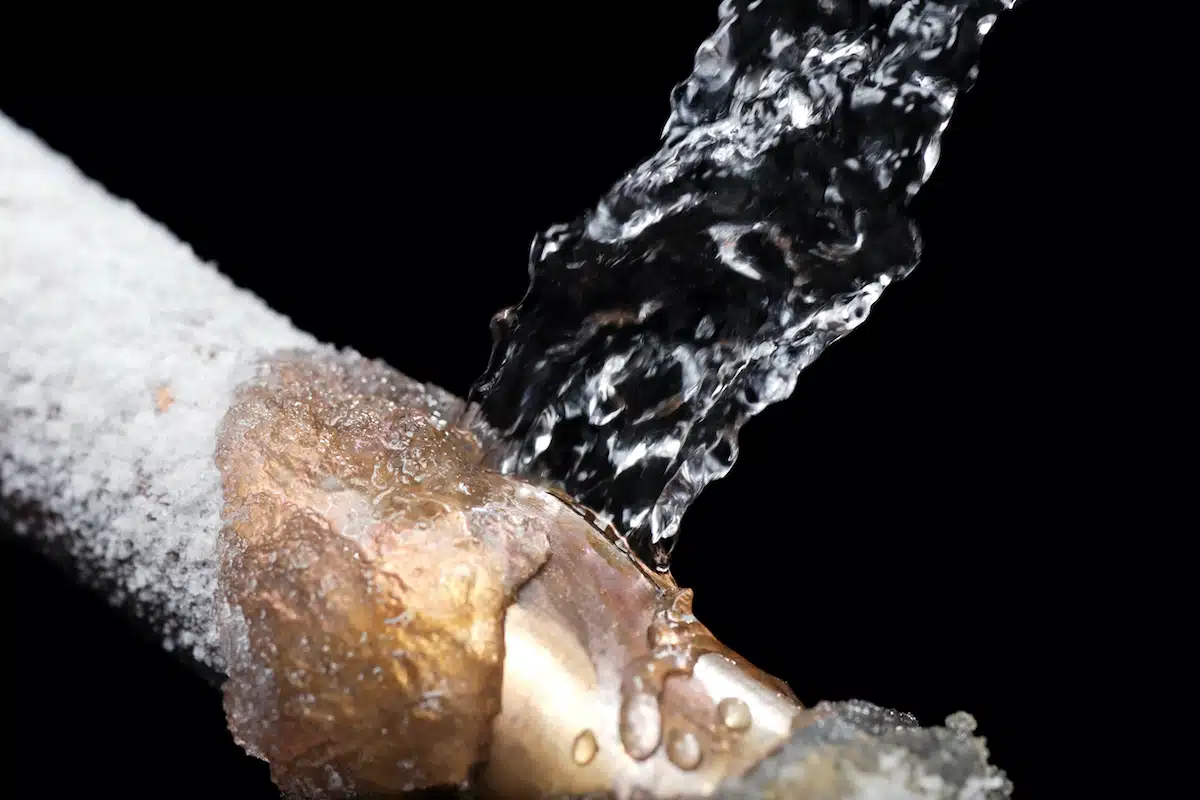
NREIG has seen frozen pipes become one of the most frequent winter claims for investment properties. Aside from damaging a tenant’s belongings, a pipe burst can ruin sheetrock, trim, and flooring and often leads to mold growth if the damaged areas are not quickly dried out. Following these steps can help you avoid costly water remediation.
Prevent Frozen Pipes in Rental Properties
- Insulate Pipes
- Focus on pipes along exterior walls.
- Don’t forget water lines leading to garage sinks and outdoor hoses.
- Use hose bib covers to protect outdoor spigots.
- Check the Heat
- Insulation slows heat loss but does not create heat.
- Ensure your HVAC system works properly and heats the entire house adequately.
- If you haven’t had an annual HVAC check-up, schedule it before technicians get busy.
- Remind Tenants To:
- Open cabinet doors under sinks to let warm air circulate.
- Leave faucets dripping slowly to keep water moving and reduce freezing risk.
- Keep heat above 55°F.
Fire Damage
According to NREIG claim data, heating and cooking fires are among the most common and costliest winter losses to investment properties. Fires often lead to serious damages and injuries, making rental fire safety a top priority for landlords. For this reason, fire prevention is essential to protect both your property and your tenants.
Cooking Fires
According to the National Fire Protection Association, more cooking fires occur on Thanksgiving than on any other day of the year. Following close behind are Christmas Eve and Christmas Day. Entertaining guests can take a cook’s attention away from the large meal they are preparing, which is most often how a cooking fire occurs.
How to Prevent Cooking Fires
- Regular Inspections
- Check for unreported maintenance issues.
- Ensure tenants do not create fire hazards (e.g., clutter near heat sources).
- Smoke & Carbon Monoxide (CO) Alarms
- Verify alarms are working and not disabled.
- Smoke Alarms: Change batteries twice a year and replace units every 10 years.
- CO Alarms: Essential for safety. CO is odorless, colorless, tasteless (“silent killer”).
- Verify alarms are working and not disabled.
- Fire Extinguishers
- Place in common areas like hallways, living room, kitchen, basement, garage.
- Follow manufacturer maintenance guidelines.
- Ensure tenants know how to use them.
- StoveTop FireStop
- Install above stovetop burners.
- Automatically deploys fire suppression powder during a stovetop fire and emits a loud “pop” to alert the cook.
Heating Fires
Many fires we see in occupied properties are related to tenants using space heaters or other alternative heating methods to stay warm in their homes.
Fire Safety Tips for Landlords
- Maintain Adequate Heat
- Ensure rentals meet local minimum temperature requirements for habitability.
- HVAC Maintenance
- Inspect HVAC systems before each heating season and schedule professional service if needed.
- Furnace Filters
- Change filters monthly.
- Clarify responsibility (tenant or landlord).
- Ban Oven Heating
- Include in the lease: No heating with ovens.
- Educate tenants on the dangers of carbon monoxide poisoning and fire risk.
- Space Heater Rules
- Allow only newer models with tip-over safety shutoffs.
- Keep 3 feet of clearance around heaters.
- Never place near blankets, drapes, and other flammable items
- Never leave it unattended.
- Chimney Safety
- Inspect chimney annually before use.
- If not inspected, do not use the fireplace.
- Use a screen and maintain 3-foot clearance from rugs and flammable items.
Liability Issues
With the potential of increased foot traffic during the holidays, it is crucial that you eliminate any potential slip-and-fall hazards that can lead to expensive lawsuits. NREIG recommends clear lease terms for snow removal and regular property inspections to reduce liability.
Winter Liability Checklist for Rentals
- Inspect Walkways, Driveways, and Stairs
- Ensure all surfaces are in good repair:
- No uneven pavement
- No loose or missing handrails
- Ensure all surfaces are in good repair:
- Snow & Ice Removal Responsibilities
- Clearly specify in the lease who is responsible for clearing walkways and driveways.
- If handled by a property manager, verify completion.
- If tenant responsibility, educate on importance for safety and liability.
- Guest Parking Rules
- Define guest parking areas in the lease, which improves safety and avoids fines
- Hazard Reporting
- Instruct tenants to report hazardous conditions immediately, including:
- Electrical hazards:
- Wires protruding from walls or ceilings
- Missing outlet or switch plates
- Flickering lights
- Structural hazards:
- Broken stairs
- Loose or missing handrails
- Broken windows
- Exposed nails
- Plumbing hazards:
- Leaky pipes
- Health hazards:
- Mold or mildew
- Electrical hazards:
- Instruct tenants to report hazardous conditions immediately, including:
Want to make sure your investment property is fully protected this winter? Contact NREIG for tailored insurance solutions designed for real estate investors.